IL DPH Lic #055-045340 | CHI Cont. Lic: SBC199739
IL DPH License #055-045340

Stop running out of hot water during freezing Midwest winters. We install high-efficiency tankless systems that deliver limitless hot water, lower energy bills, and save valuable space in your home.
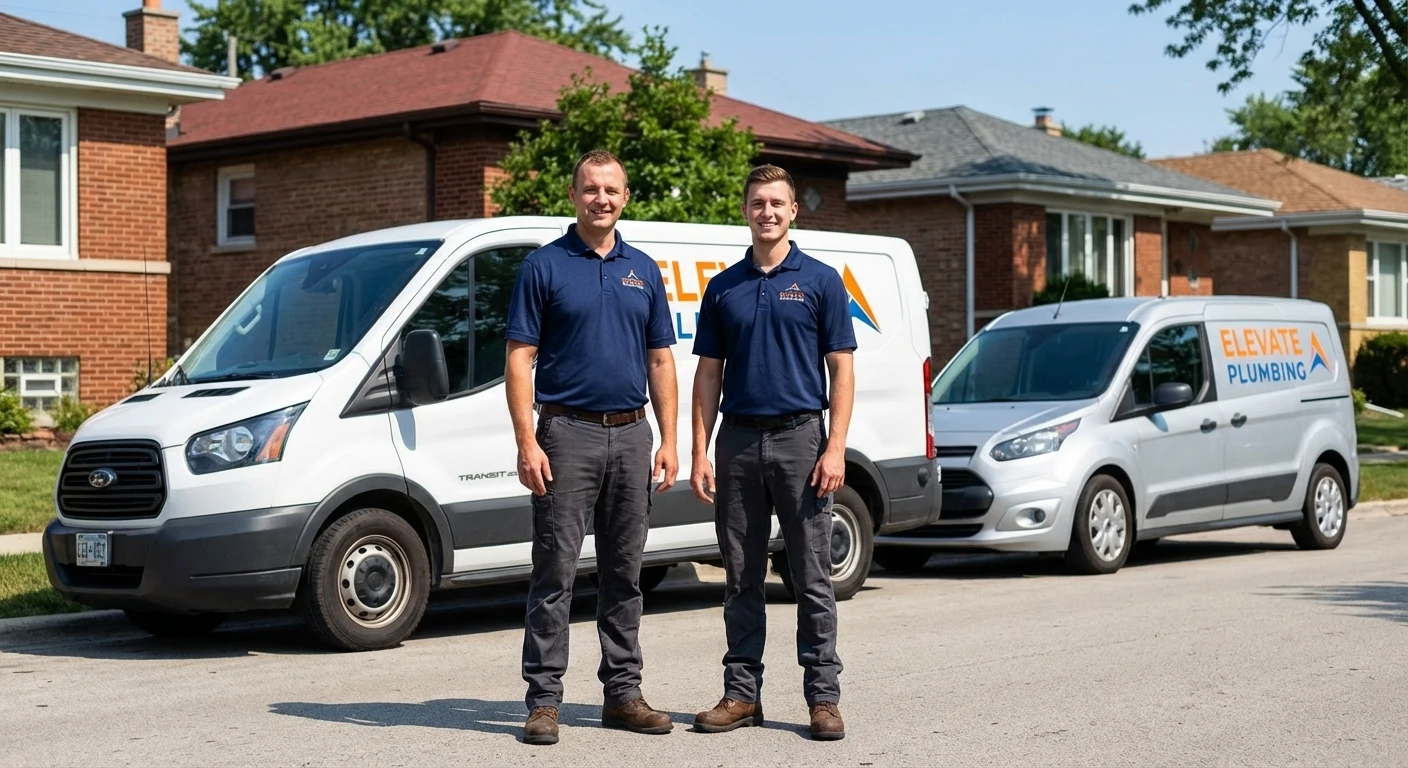
"Our old water heater died right before we hosted a big family dinner near the Pickwick Theatre. Elevate Plumbing came to the rescue and upgraded us to a tankless unit the exact same day."
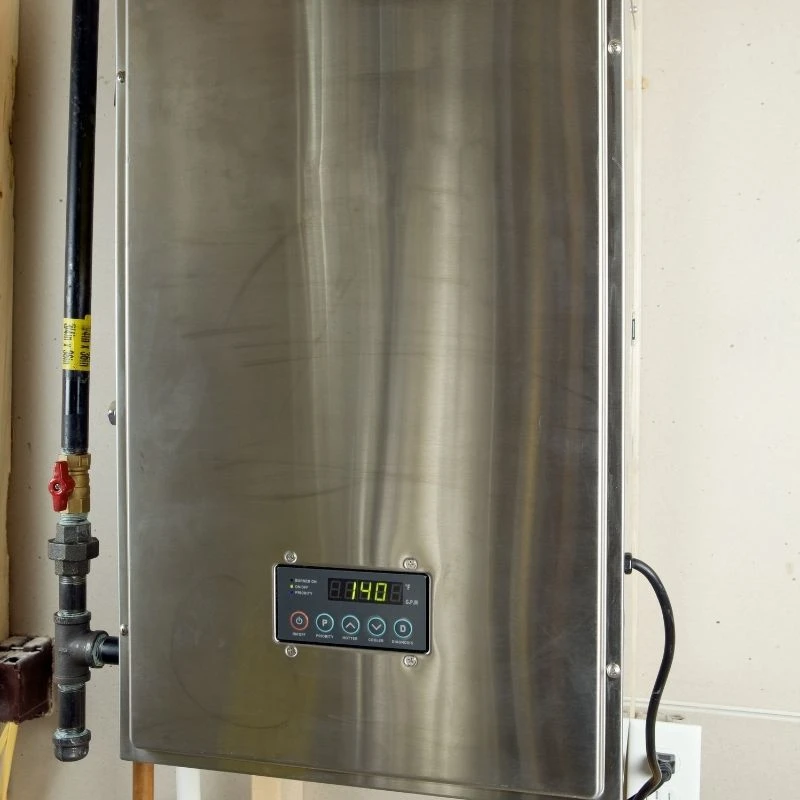
"The plumbers were incredibly polite, explained how the new digital thermostat worked, and left our newly freed-up basement space completely spotless."

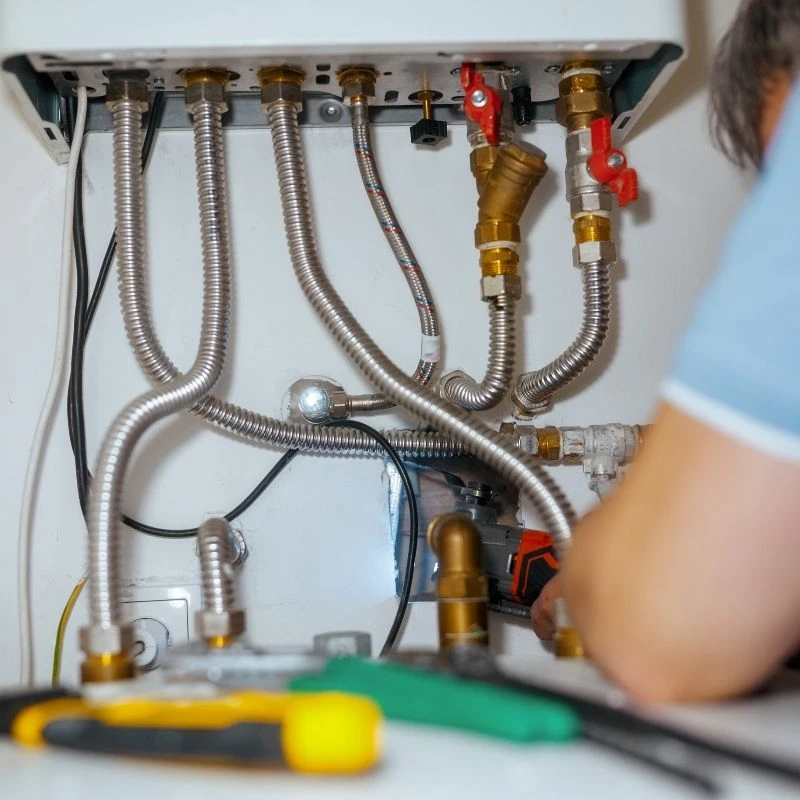
We replace outdated storage tanks with sleek, wall-mounted units that heat water instantly as you need it.

We carefully evaluate and upgrade your gas lines to ensure your new system receives the perfect fuel flow.

We install specialized PVC venting to safely direct combustion gases outside according to strict Illinois codes.

We drain, disconnect, and remove your heavy, rusted tank so you can instantly reclaim your utility room floor space.
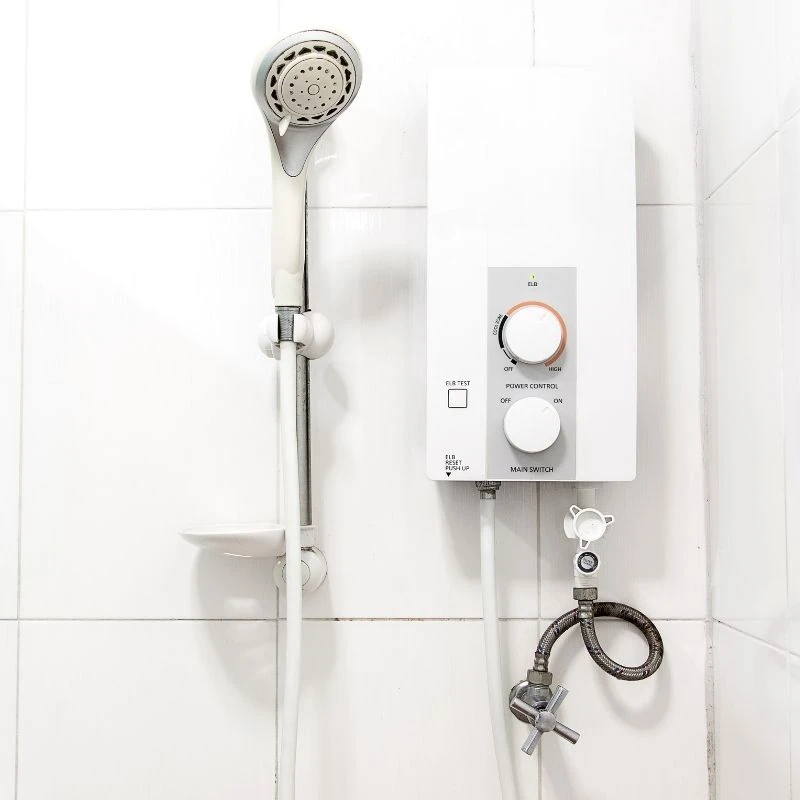
Small issues can turn into full failure, it is better to catch it early.
No guessing. No pressure. Just clear solutions.


In most cases, yes. However, tankless units require a higher volume of gas for short bursts. Our licensed plumbers will carefully inspect your current gas lines and meter to determine if a simple upgrade is needed before installation.
You will save a tremendous amount of space. A traditional tank takes up roughly nine to twelve square feet of floor space. A tankless unit is about the size of a small suitcase and mounts directly to the wall, completely freeing up the floor beneath it.
No. Unlike standard gas tanks that rely on a standing pilot light, tankless systems use electronic ignition and digital sensors to operate. If you lose power during a storm, the unit will not be able to fire up and heat the water.
They require very little day-to-day maintenance, but we do recommend an annual flush. Because they heat water so rapidly, hard water minerals can build up inside the heat exchanger. A quick yearly flush keeps the unit running efficiently for up to twenty years.